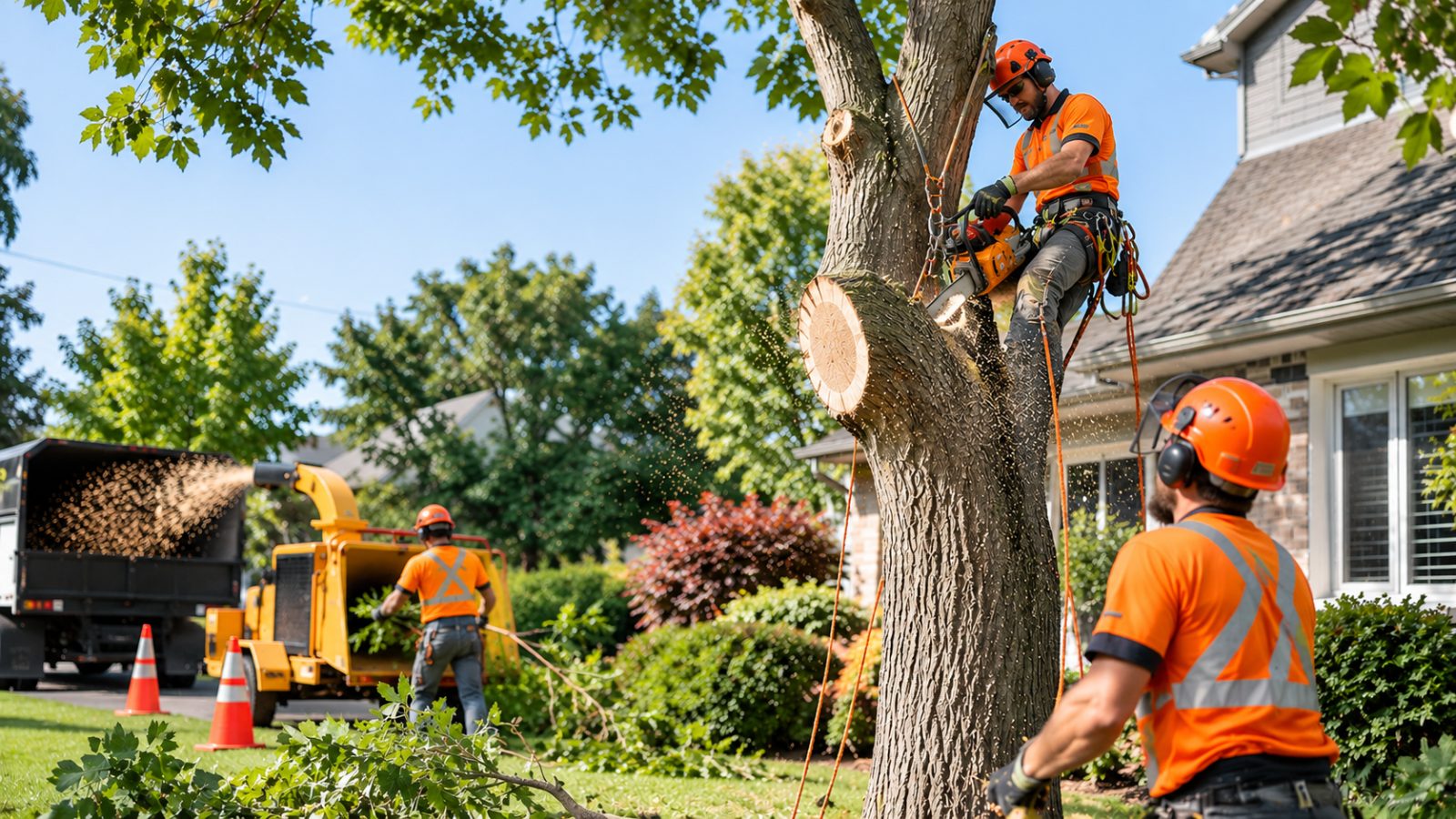
Tree Health Concerns in Hamilton
Tree Insects and Diseases in Hamilton, Ontario
Noticing unusual damage or declining tree health? Describe the symptoms and request guidance.
Tree Health Concerns in Hamilton
Noticing unusual damage or declining tree health? Describe the symptoms and request guidance.
Changes in a tree's leaves, bark, branches, or growth can raise concerns about insects and disease. Holes in the trunk, unusual leaf spots, thinning foliage, and premature leaf drop may indicate a problem, but symptoms alone do not always reveal the cause. Environmental stress can produce similar signs.
Tree Removal Hamilton helps property owners consider visible tree health concerns and understand when further investigation may be appropriate. Identifying the underlying cause is important because different problems require different responses, and some conditions cannot be corrected through treatment.
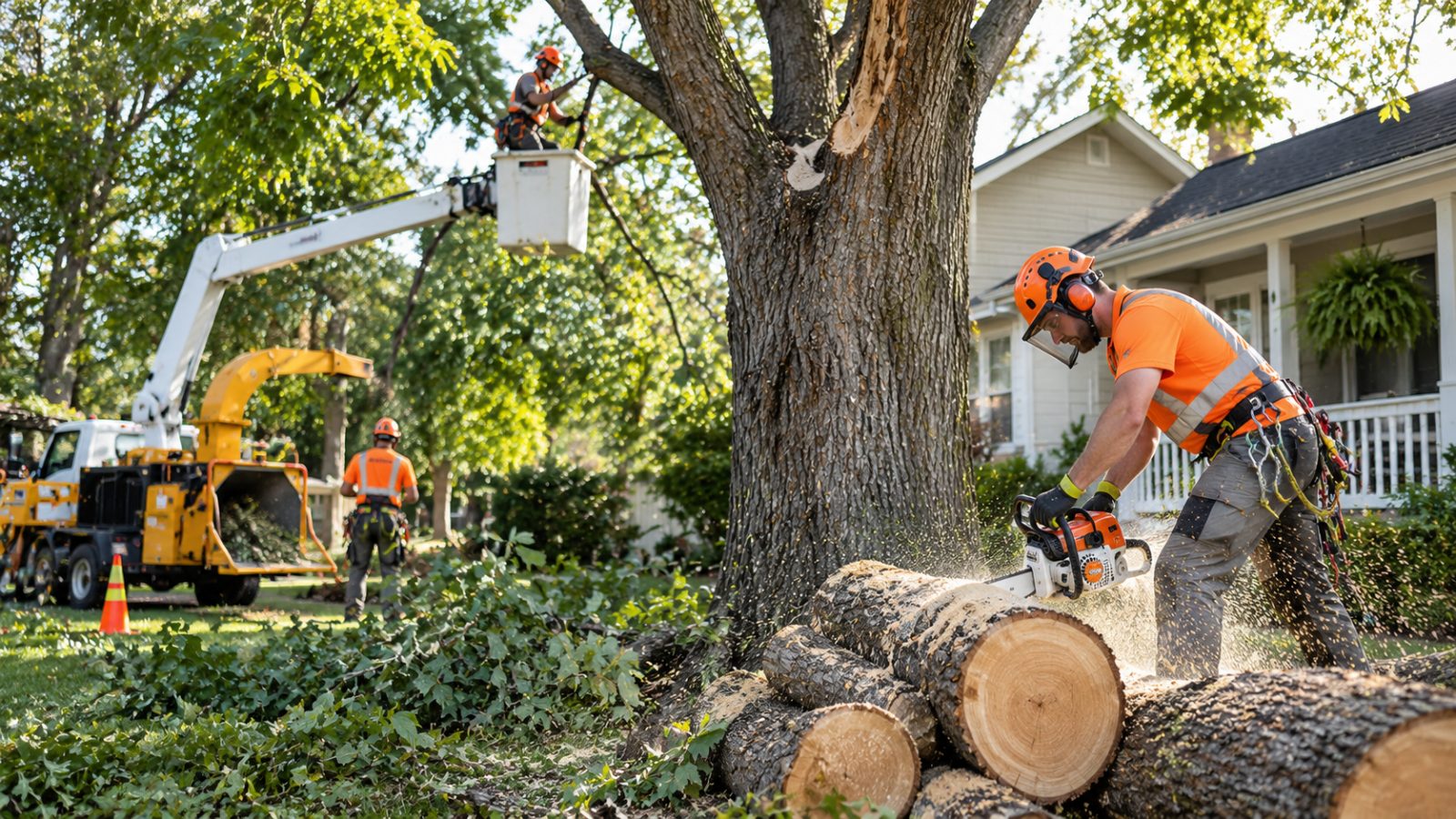
Southern Ontario trees can be affected by insects, fungal pathogens, root problems, and environmental conditions. Correct identification matters before deciding whether monitoring, treatment, pruning, or removal should be considered.
Emerald ash borer has caused extensive damage to ash trees in Ontario. Signs of infestation and decline may include canopy thinning, bark changes, and insect activity. Severely affected trees can develop structural hazards, making timely assessment important.
Discoloured patches, unusual markings, and premature leaf drop can be associated with fungal or other leaf conditions. Their significance depends on the tree species, the organism involved, and the severity of symptoms.
Cracks, cavities, unusual growths, and visible decay may indicate injury or disease. Some defects are primarily cosmetic, while others can affect the tree's structural condition.
Chewed leaves, galleries beneath bark, holes, or visible insects can suggest pest activity. Not every insect found on a tree is harmful, and accurate identification is important before any control measures are considered.
Poor drainage, drought, soil compaction, road salt, and construction disturbance can cause symptoms resembling disease. These underlying conditions should be considered when investigating declining tree health.
We recognize that similar symptoms can have different causes and should not automatically lead to treatment.
Hamilton trees may face insect pressure alongside road salt, compacted soil, and weather-related stress.
We focus on understanding the concern and identifying whether additional assessment is needed.
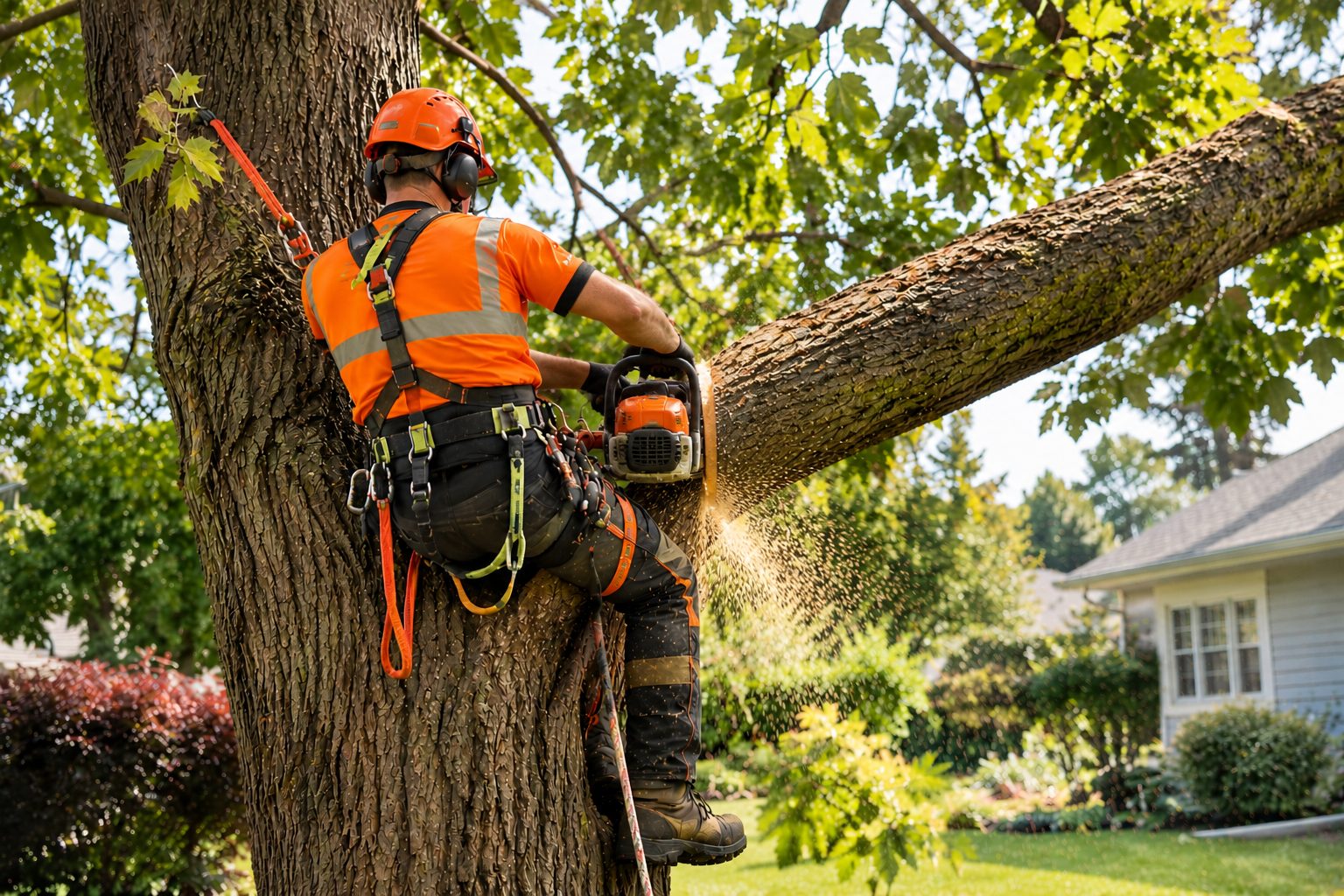
Share the tree species if known, the symptoms you see, and when the changes began.
Get a Free EstimateCall (647) 982-8710
Free — no obligations
Note changes in leaves, bark, branches, or overall growth, including when they first appeared.
Review recent construction, drought, flooding, pruning, or other changes affecting the property.
Determine whether identification, diagnostic testing, or specialist assessment is appropriate.
Consider monitoring, cultural care, appropriate treatment, pruning, or removal according to the findings.
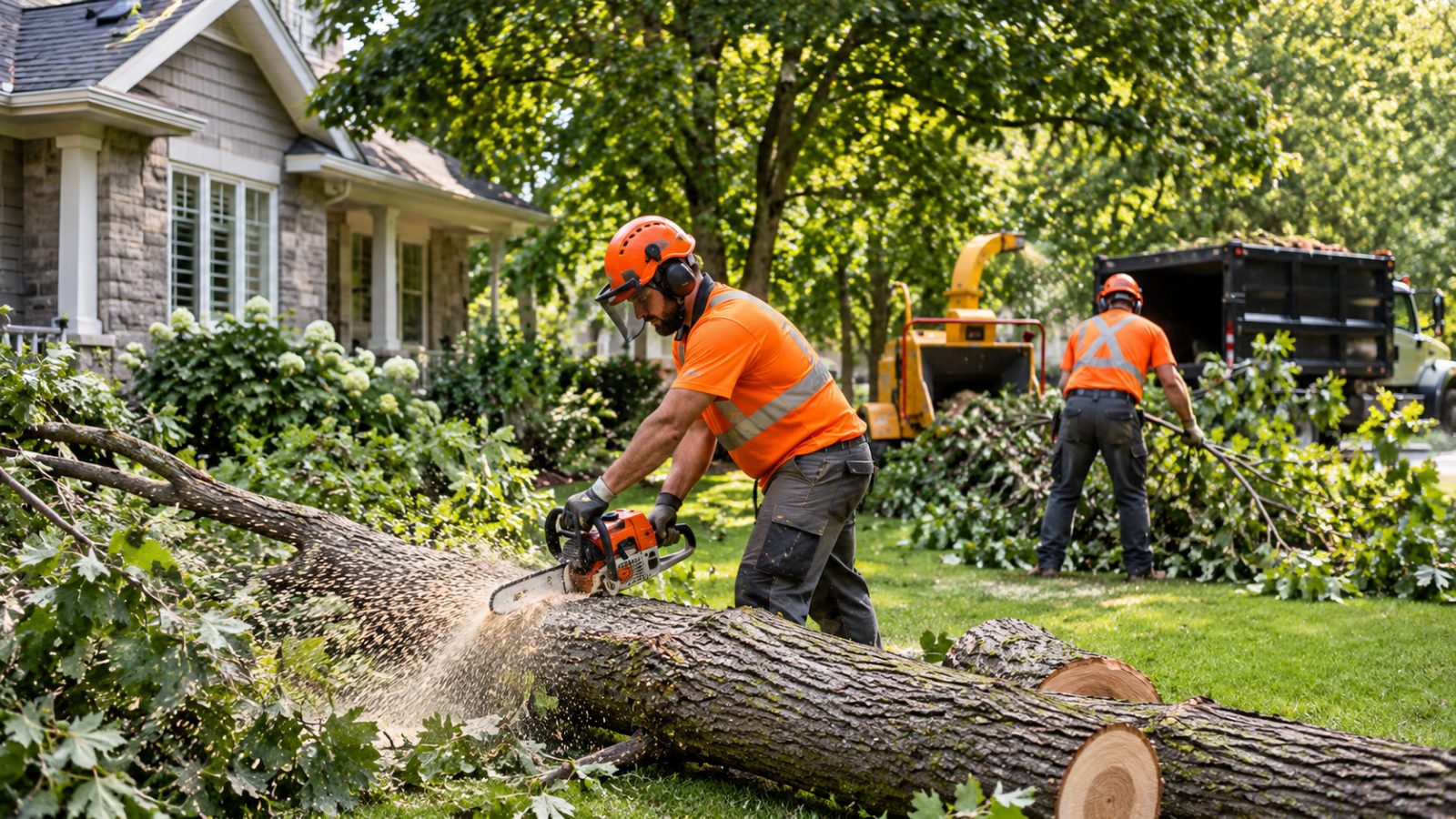
Look for changes such as unusual leaf damage, holes, discolouration, dead branches, or abnormal growth. These signs are not conclusive, so proper identification may require closer examination.
Recovery depends on the specific condition, how advanced it is, and the tree's overall health. Some problems can be managed, while others cause irreversible decline.
Not automatically. Many insects are harmless or beneficial, and unnecessary pesticide use can create additional problems. Identify the insect and determine whether control is justified before considering any treatment.
Some tree diseases can spread between susceptible trees, while other problems are not infectious. The risk depends on the organism, tree species, and local conditions.